
Cossa
Welcome to COSSA
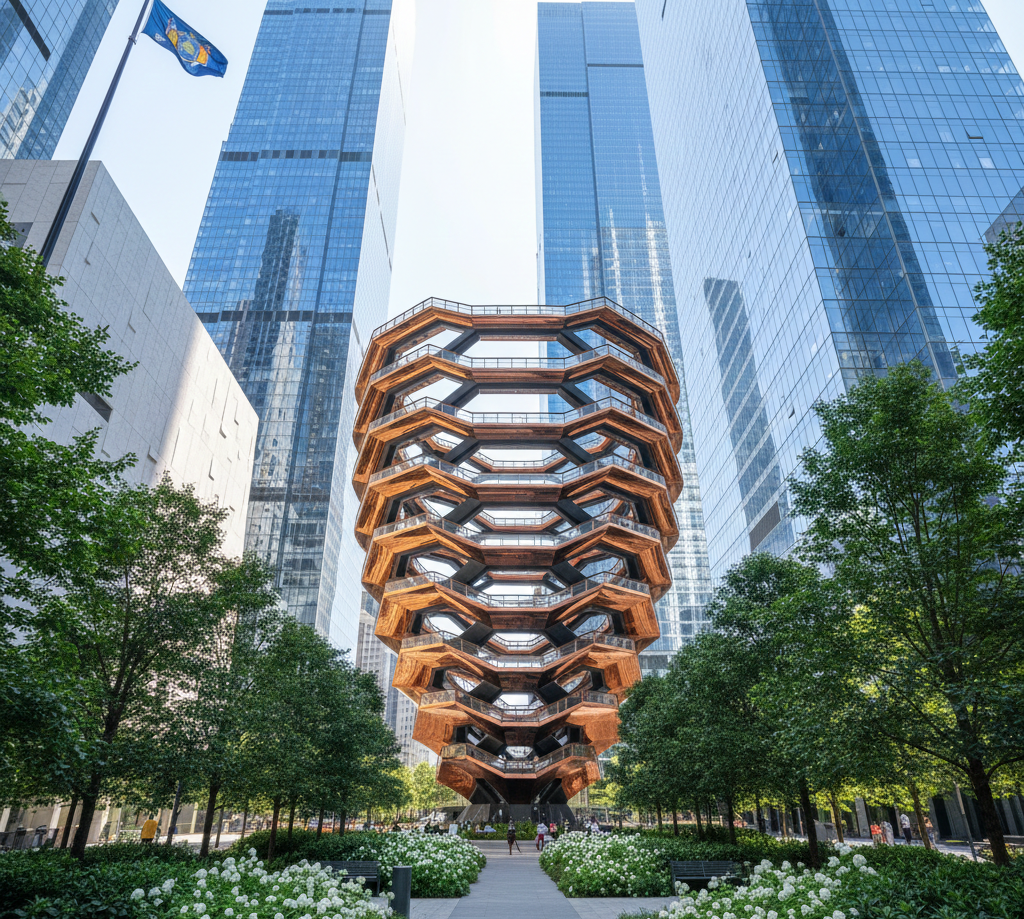
Architecture begins where structure meets meaning
Service Architecture Framework (SAF)
Here is the problem: have you tried to build the house without architecture?
Services have developed valuable frameworks and methods, each contributing important insights, yet have not formed a single architectural foundation.
We did not invent the solution.
We revealed it.
After studying more than thirty formal definitions of service across industries, we found they converge on a single practical truth:
Service is a system of flows that generates added value for all participants of the exchange.
This is the underlying pattern of every service that has ever worked, from the smallest team to the largest platform. There is just one unifying architecture that enables sustainable value exchange.
What we do
Once you see it, you cannot unsee it.
The Service Architecture Framework (SAF) is a practical model for designing and improving services. It defines the core elements of service, why these components matter for value creation, and how they interact within organisational systems, serving as a strategic compass for institutions seeking better service design and management. At its core, the purpose of SAF is to present a truthful description of service reality. It does not impose an ideal or prescribe a step-by-step method, but reveals what already exists beneath the surface of every service.

What SAF is, and what it is not
SAF is more than a framework. It is best understood as an architectural grammar for services. A grammar describes how meaning is formed in a language. It defines the units, relations, structures and patterns that make expression possible. The same grammar can support a conversation, a technical manual, a poem, a car safety notice or a long novel. The outward forms differ; the underlying rules remain stable.
A system that survives time
How it works at any scale
SAF has been tested in settings as far apart as an ancient Mesopotamian copper-mining service and a hypothetical AI doctor service in the near future, without altering the core structure. In all cases, the architectural grammar made the services intelligible as complete systems and brought to light structural tensions and blind spots left implicit in their original descriptions. This shows that a single architectural view can remain dependable across very different environments, giving you a steady basis for interpreting what a service is and how it behaves as conditions change.
Simplicity
Present complexity in a form you can work with
Standarisation
View all services through the same lens
Utility
Solve real problems with practical tools
The choice is not whether to adopt SAF.
The choice is whether to see clearly.
The patterns we describe will operate whether you recognise them or not. Services will continue to succeed or fail according to how well they align with these natural architectures. We are offering you insights.

Now you can see it
Explore what is ready now
Begin with the Framework link for a clear explanation of the core pattern. Test it against your own experience by mapping one service with the Free tier offering. Use it where it helps today. Explore the Services here.
The architecture has always been there, waiting to be recognised.